
Why We Built Our Own Swim Centers
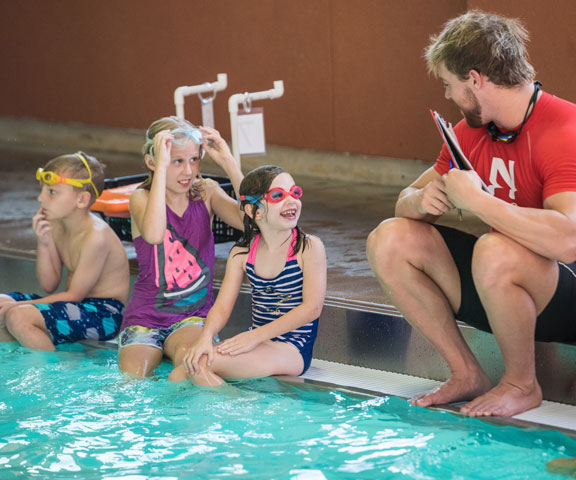
Designed to help kids feel safe, comfortable, and confident from their very first swim lesson
By Mike Koleber, Co-Founder and Head Coach, Nitro Swimming, with insights from Tracy Koleber, Co-Founder
Choosing a swim school isn’t just about the instructor. The pool environment directly impacts your child’s safety, comfort, and ability to learn.
At Nitro Swimming, we built our facilities specifically for swim instruction, not by adapting existing pools. Every element, from water temperature to pool depth and layout, is designed to help swimmers build skills safely and progress with confidence.
On this page, we walk through what actually matters in a swim school facility, what to look for as a parent, and how our approach supports both swim safety and learning at every level.

Austin Area Locations
- Bee Cave: (512) 861-7946
- Cedar Park: (512) 259-7999
- Steiner Ranch: (512) 861-7946
- Kyle: (737) 497-3866
Why the Pool Environment Matters for Swim Lessons
When a child begins swim lessons, especially at a young age, the pool environment becomes part of the lesson itself.
Water temperature affects how relaxed a swimmer feels. Water clarity affects how well instructors can observe swimmers and how comfortable parents feel watching from the deck. Deck space and layout influence safety and supervision.
When these elements are designed intentionally, children settle into the water faster and instructors can focus on teaching rather than managing discomfort.
That has always been our philosophy. The pool itself is part of the teaching system.

Cedar Park: The First Nitro Swim Center
Our Cedar Park location was the first Nitro swim center we built, and it established the foundation for everything that followed.
The facility is nearly 30,000 square feet and includes two indoor pools: a 50 meter Olympic pool and a 4 lane warm water lessons pool. The Olympic pool can be configured as either 23 short course (25 yards) lanes or 10 long course (50 meters) lanes.
The lessons pool is maintained at 88 degrees to support comfort for swimmers of all ages (6 months through adult) learning the fundamentals.
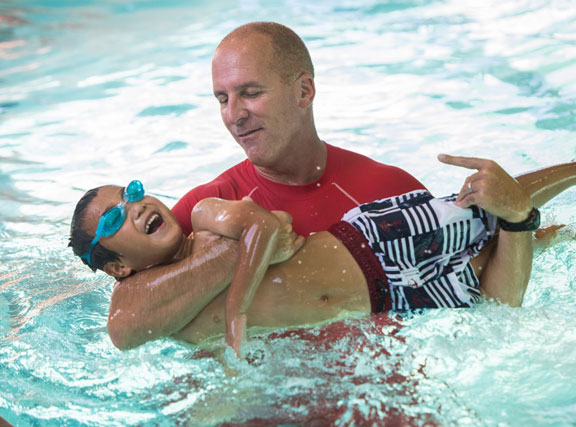
Both pools use state-of-the-art ultraviolet (UV) filtration systems designed to improve water clarity and overall water quality. UV is the #1 source of filtration that combats cryptosporidium, a very hard to kill harmful bacteria that you read about every summer at splashpads around the world. UV is the only filtration source that is 99.99% effective in killing cryptosporidium. It’s not cheap, but we made the decision long ago to not cut corners when it comes to swimmer safety.
This design allows us to support two very different swimmer experiences in the same facility. Competitive and activity swimmers train in the Olympic pool while younger swimmers and beginners learn in a warm, welcoming environment built specifically for instruction.
For families beginning swim lessons, that warm water pool makes a real difference. Younger swimmers are able to relax, breathe more comfortably, and focus on learning basic skills like floating and breath control.
The Cedar Park facility also helped us understand how important the entire environment is for families. Visibility from the deck, how swimmers move between areas, and how the facility feels when you walk in all contribute to a parent’s confidence.
Of the three locations, as each build improved on the previous one, and I love all three, believe me, but Cedar Park is my favorite simply due to the energy you feel the moment you walk in. Part of that energy comes from both pools being in close proximity within the same space. We realized that while that energy is exciting, it can be a little overwhelming for a nervous beginner swimmer. That led us to separate the pools more in future builds.
We already knew that we were going to go with “overflow” gutters on all new builds. We believe they deliver a much better user experience. Having the gutter at the same level as the water makes it easier on swimmers and also allows for more efficient filtration.
Our swim school pools filter approximately 300 gallons of water per minute, turning over the entire pool every four hours or so. Seeing our growth through word of mouth, the smiles, and the progress of the swimmers confirmed that we were making the right decisions from the start.
Bee Cave: Refining the Nitro Swim Center Model
When we built the Bee Cave facility, we were no longer working from theory. We had already seen how families used the space and how swimmers responded to the environment.
Like Cedar Park, the Bee Cave location is a nearly 30,000 square foot indoor facility with two pools: a 50 meter Olympic pool and a 4 lane warm water lessons pool. The Olympic pool can operate as 23 short course lanes or 10 long course lanes. The lessons pool is also maintained at 88 degrees.
Both pools again feature UV filtration systems that help maintain water clarity and purity.

From a parent’s perspective, consistency matters. Families who visit either location experience the same thoughtful design principles. The lessons pool is warm and welcoming. The training pool supports serious not only our competitive swimmers, but approximately half of all of Nitro’s “competitive” swimmers swim in groups that meet only once or twice a week, but they learn what the Olympians do in a supportive, fun, and enjoyable environment with no strict commitments. In fact many of these swimmers are involved in several other activities and appreciate the flexible nature of our once and twice a week team groups. The facility is built to handle a large number of lessons and practices without feeling chaotic.
One thing we have always believed is that the lessons pool should never feel like an afterthought. It is not simply a smaller pool next to the team pool. It is its own learning environment designed specifically for teaching.
That mindset carried over directly from Cedar Park into Bee Cave.
Separating the two pools into their own spaces made a big difference for beginner swimmers. It reduced the overwhelming energy and created a calmer learning environment. It also allowed us to keep the air temperature warmer on the swim school side, which supports comfort. One detail parents often do not notice is our Deck Coach system. While instructors are focused on teaching, our Deck Coaches are actively managing the class flow and watching the water at all times, adding an extra layer of safety and awareness.
Kyle: Lessons from Nitro’s Third Swim Center Build
By the time we built our third facility in Kyle, we had already learned a great deal about how swim centers operate day after day.
The Kyle facility features a competition and swim team training pool with 23 short course lanes and 10 long course lanes. It includes 33 Spectrum starting blocks, two competitive courses, a large multimedia LED video board, and ample deck space for viewing competitions.
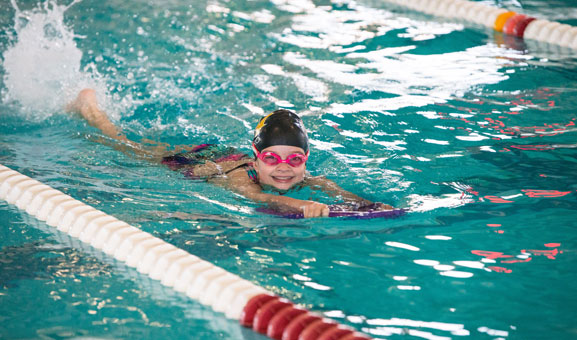
While Kyle is strongly focused on training and competition, the lessons learned from Cedar Park and Bee Cave still shaped the design. By the third build, we understood maintenance requirements more deeply, how swimmers move through the facility, and what coaches and families need from the space.
Deck space was a major focus in Kyle. Having room to move comfortably makes a big difference for both swimmers and families. We also invested heavily in lighting and air systems.
When you walk into the lobby, you can see both pools immediately, which helps families feel connected to the entire facility. We chose to invest in the best facilities and the best instructors rather than decorative elements. Our focus has always been on delivering the Nitro experience and creating an environment where swimmers can grow and thrive.
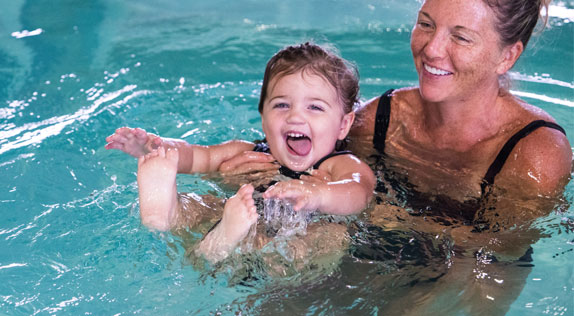
Water Filtration and Water Clarity for Swim School Pools
Parents may not think about filtration systems very often, but water quality is one of the most important aspects of a swim environment.
At our Cedar Park, Bee Cave and Kyle locations, we use advanced UV filtration systems that help maintain clear and healthy water. These systems improve water clarity and support the overall cleanliness of the pool.
Clear water matters for several reasons. It allows instructors to see swimmers more clearly during lessons. It gives parents confidence when they observe their child learning in the water. It also contributes to a more comfortable experience for everyone in the facility.
Strong filtration systems are part of the long-term thinking that goes into building and operating a professional swim center.
Ultraviolet filtration is the most effective solution for eliminating cryptosporidium, which is a harmful bacteria often found in high-use public pools and splash pads. Our system is 99.9999% effective against it. Better water creates a better experience. It is easier on the skin, easier on the eyes, and remains crystal clear. If water is not clear, it is often a sign of deeper issues. For us, this is an investment in our families and our staff.
Why Pool Temperature Matters for Young Swimmers
Temperature plays a major role in how children experience swim lessons.
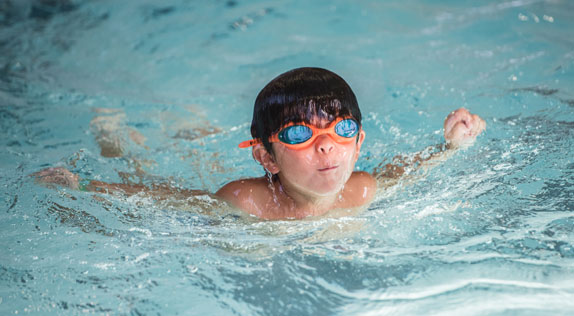
If the water is too cold, younger swimmers often tighten up physically. That tension makes it harder to float, breathe properly, and focus on the instructor.
For that reason, the lessons pools at Cedar Park, Bee Cave and Kyle locations are maintained at approximately 88 degrees. Warm water allows beginners to relax and focus on learning new skills.
This is particularly helpful for infants and toddlers who are just beginning to build familiarity with the water.
When swimmers feel comfortable, instructors can move through skill progressions more effectively and children tend to enjoy the learning process much more.
A temperature of 88 degrees is the perfect balance for learn-to-swim participants. If the water were kept at typical competition temperatures, beginners would get too cold. If competitive swimmers trained in warmer water, they would overheat. That is why having two separate pool systems is so important. Parents consistently tell us how much their children enjoy the warm water and look forward to their lessons.
Maintenance Standards and Facility Safety for Swim School Facilities
Behind every well-run swim center is a consistent maintenance routine.
Water testing, filtration monitoring, equipment checks, and facility upkeep all play a role in maintaining a safe environment. These systems operate continuously behind the scenes so families can focus on the experience of swim lessons.
When we built our swim centers, we designed them with long-term maintenance in mind. Clear procedures, reliable equipment, and strong operational standards help ensure that the environment remains safe and clean every day.
Parents may not see all of this work happening, but it plays a major role in maintaining a safe swim environment.
Water and air quality are constantly monitored in real time. The moment anything moves outside our acceptable ranges, we are notified immediately and our trained maintenance team addresses it before it affects the water. We are always operating in preventative maintenance mode. Over time, we have learned to never cut corners when it comes to water quality.
Health and Safety Features in Nitro Swim Centers
Health and safety for young swimmers come from a combination of thoughtful decisions.
Warm water supports comfort for beginners. Clear water supports visibility. Deck layouts allow instructors to supervise swimmers effectively. Pool design allows children to move through lessons safely.
Instructor training, supervision systems, and consistent facility maintenance all work together to support a safe learning environment.
When Nitro built its swim centers, those decisions were intentional. The goal was to create a place where swimmers could focus on learning while families felt confident in the environment.
What Parents Should Know About the Nitro Swim Environment
Parents do not need to understand every technical detail of pool construction to recognize when a swim environment has been designed thoughtfully.
Warm water, clear water, organized deck space, and a well-maintained facility all contribute to a positive experience for swimmers and their families.
Building three swim centers reinforced something Tracy and I believed from the beginning. The environment where children learn to swim plays an important role in how comfortable and confident they become in the water.
Swim Lessons for Infants, Toddlers, and School Age Swimmers Across Greater Austin
Nitro Swimming serves families across the Greater Austin area, including Cedar Park, Bee Cave, and Kyle, Texas.
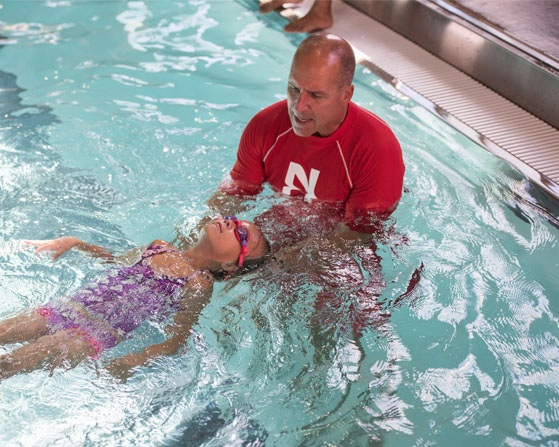
Many swimmers begin their journey as infants or toddlers, learning early water comfort, breath awareness, and foundational safety skills in a supportive environment designed specifically for young swimmers.
As children grow, they progress through structured lessons that build floating ability, breath control, and confident movement through the water. Some swimmers continue into advanced instruction or competitive swim programs.
Across every stage, the goal remains the same. Provide an environment where swimmers feel comfortable, supported, and confident as they learn.
Why Swim Facility Design Matters for Long-Term Swim Development
Building three swim centers has taught us that the pool environment matters more than most people realize.
Comfort supports learning. Clear water supports safety and visibility. Thoughtful design helps children relax and focus on developing new skills.
At Nitro, we did not simply start teaching lessons in existing pools. We built swim environments designed to help swimmers succeed from their very first lesson through years of development in the water.
For families in Cedar Park, Bee Cave, Kyle, and throughout the Greater Austin area, that commitment is part of what makes the Nitro experience unique.

Mike Koleber
Head Coach and Co-Owner, Nitro Swimming
Head Coach Mike Koleber swam competitively in Michigan from age-group through his college years at Oakland University, where he was team Captain, an 11-time NCAA All-American, and a Senior National qualifier. Mike started teaching swim lessons at the age of 13, helping out his Dad on Saturday mornings, which allowed Mike the opportunity to learn from the best, his Dad.
Mike has a true love of coaching and teaching and does a tremendous job of making new kids feel welcome on the Nitro pool deck. His drive to lead Nitro to ultimately become the #1 program in the country is infectious, and the staff works together as one unit with one goal, which is Nitro's Mission Statement: "Visible Improvement. Delivered with Passion and Joy. Every Day."
Coach Mike is often a featured speaker at national and regional swimming conferences and former Board President of the American Swim Coaches Association.
Coach Mike also shares swim instruction, coaching insights, and technique guidance with a global audience on social media. Through @CoachMikeNitro, his instructional content has attracted more than 1.6 million followers on Instagram and 1.5 million followers on TikTok.

Tracy Koleber
Co-Owner, Nitro Swimming
Tracy Koleber is co-owner of Nitro Swimming and leads the organization’s operational strategy, ensuring that every Nitro location delivers a safe, consistent, and high-quality experience for families. With a background in finance, administration, and business management, she oversees the systems and standards that support both swim instruction and day-to-day operations.
Tracy has played a significant role in shaping the swim school industry at the national level through her leadership with the United States Swim School Association. She has served seven years on the Board of Directors, including two years as Vice President and two years as President, and currently serves as Chair of the Government and Industry Affairs Committee. In this role, she contributes to policy, safety standards, and industry best practices that affect swim schools nationwide.
She is also a member of USA Swimming, the American Swim Coaches Association, and the National Federation of Independent Business.
At Nitro, Tracy’s focus is on building an environment where families feel confident in both the quality of instruction and the safety of their children, supported by strong operational systems and clear standards.